

Our Repair Services
Full-service water damage restoration for Colorado Springs and surrounding El Paso County communities.
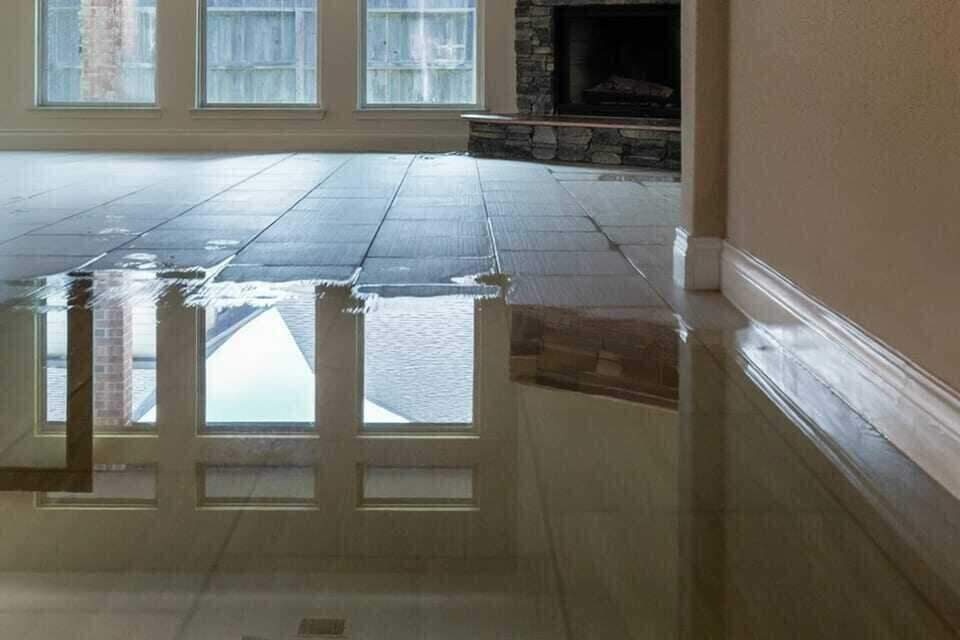
Water Damage Restoration
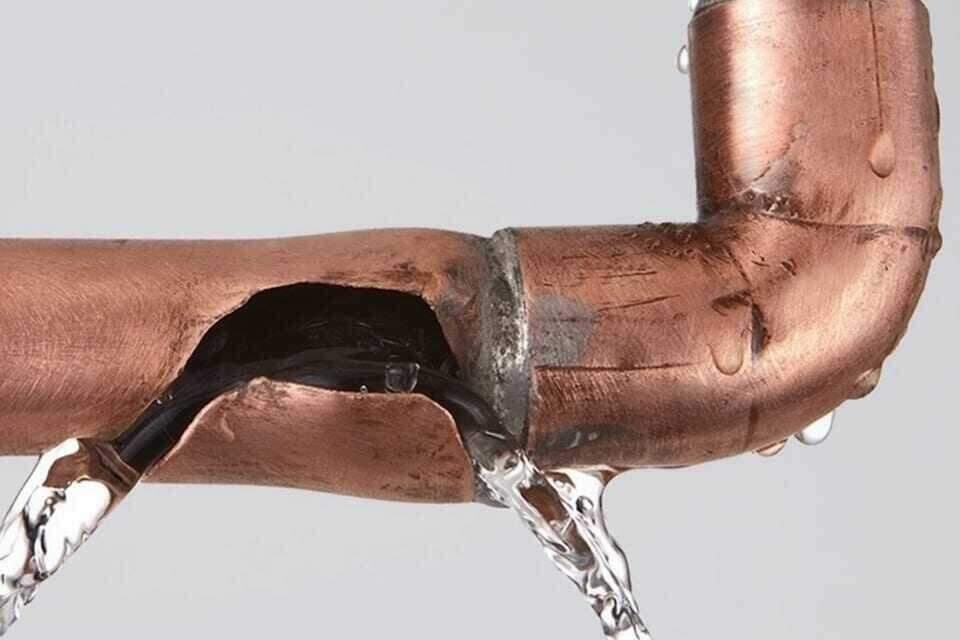
Frozen Pipe Damage
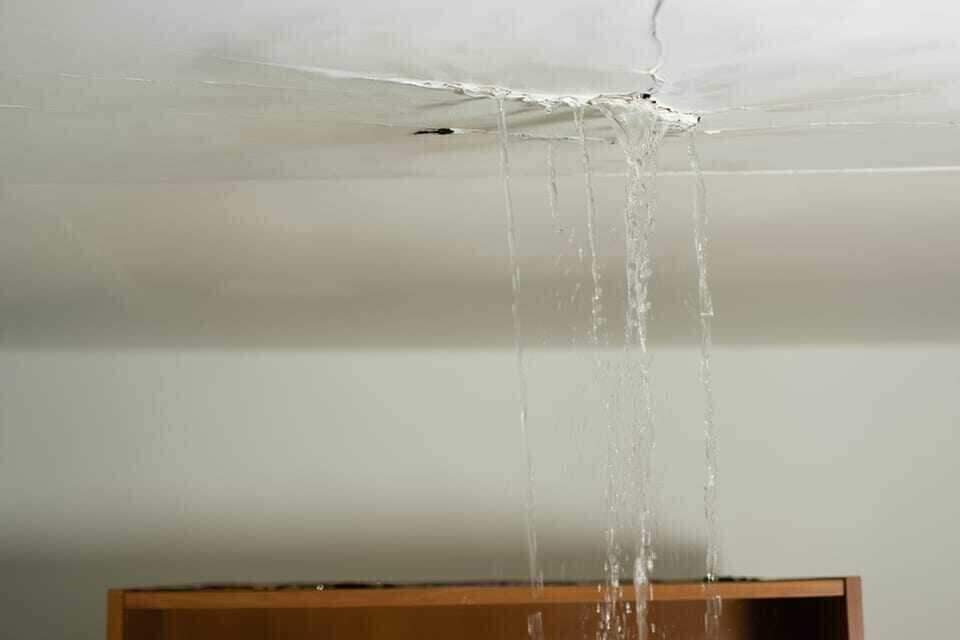
Emergency Water Damage
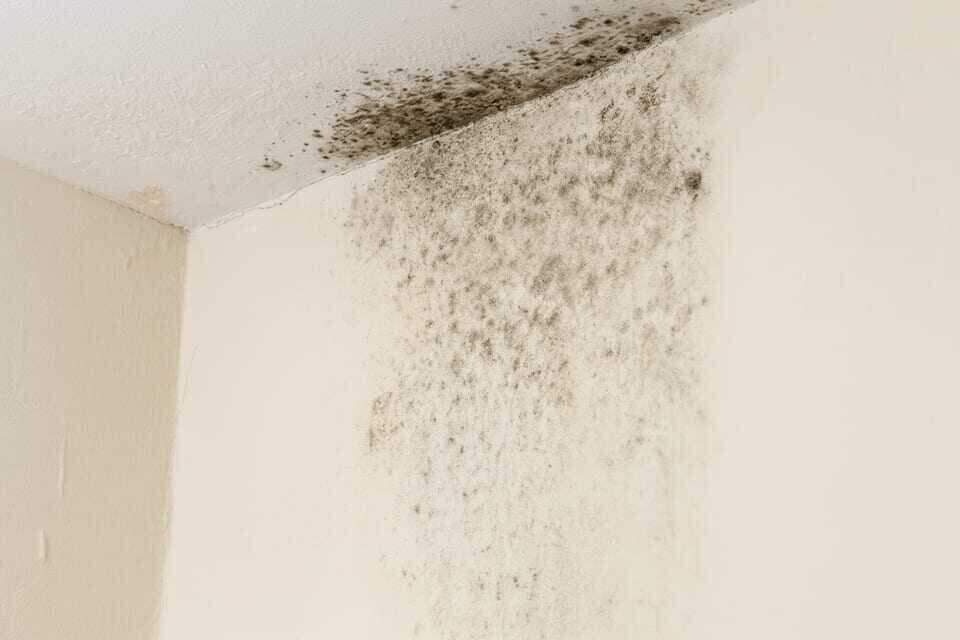
Mold Remediation
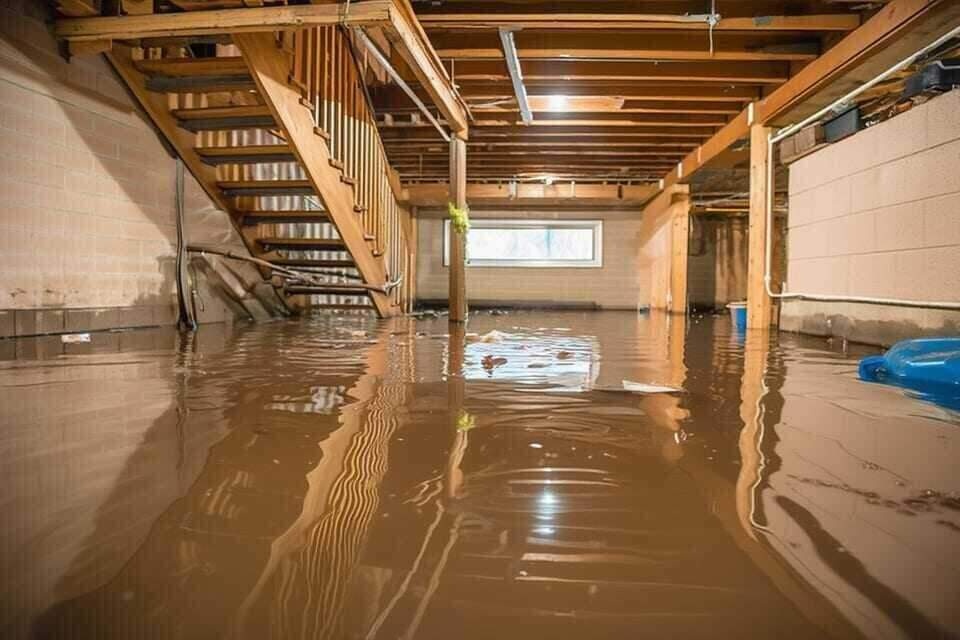
Basement Flood Cleanup
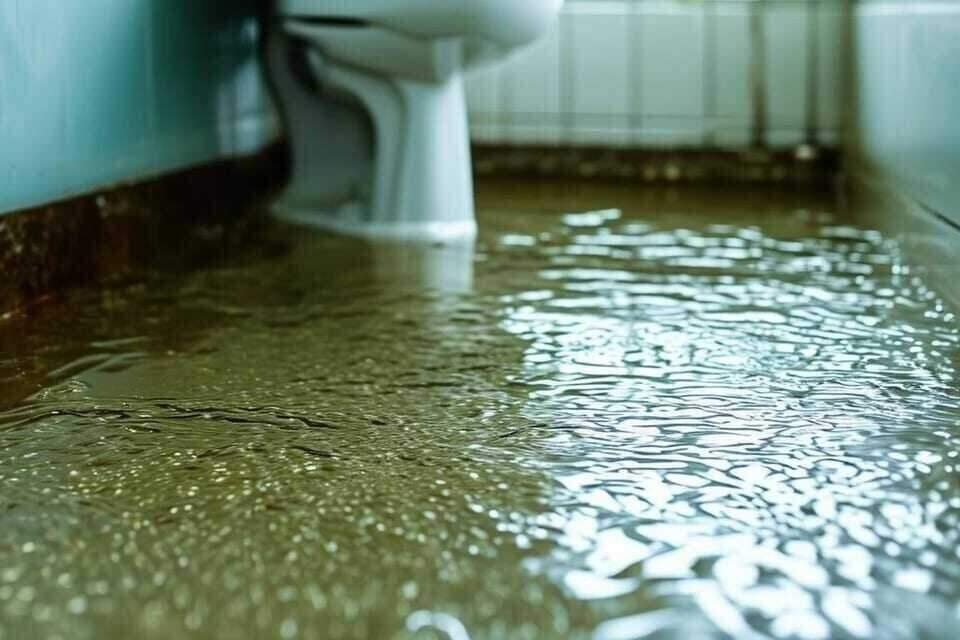
Sewage Backup Cleanup
How We Repair Water Damage
From the first call to a dry, repaired home — here's what our water damage repair process looks like for Colorado Springs homeowners.
Emergency Dispatch
You call, we answer — any time. Typically on-site within 60 minutes.
Damage Assessment
Full inspection, damage classification, and insurance documentation.
Water Extraction
Truck-mounted extractors remove all standing water from affected areas.
Structural Drying
Industrial air movers and dehumidifiers — adjusted for Colorado's altitude.
Repair & Rebuild
Drywall, flooring, and structural repairs to pre-loss condition.
Common Water Damage Causes in Colorado Springs
High altitude and freeze-thaw cycles create unique risks for Pikes Peak region homeowners.
Frozen & Burst Pipes
Colorado's most common winter emergency. Pipes in exterior walls and crawl spaces freeze fast at altitude.
Roof & Ice Dam Leaks
Snow and ice accumulation on roofs creates leaks that penetrate ceilings and walls without warning.
Appliance Failures
Water heaters, washing machines, and dishwashers — sudden leaks can flood rooms in minutes.
Sewage Backups
Spring snowmelt and heavy rain overwhelm aging sewer lines — creating biohazard situations.
Foundation Seepage
Colorado's clay soil expands with moisture, forcing water through basement walls and floor cracks.
Storm & Hail Damage
Severe Colorado storms compromise roofing and siding, allowing water intrusion during heavy rainfall.
Why Immediate Response Matters
Water damage gets worse by the hour. Delayed response leads to higher costs and serious health risks.
Mold starts in 24–48 hours
Mold spores begin colonizing wet materials within a day. Once established, remediation becomes a separate costly project.
Structural damage accelerates
Wood swells, warps, and weakens. Drywall crumbles. Subfloors buckle. Every hour of standing water multiplies the damage.
Bacteria and contamination spread
Standing water breeds bacteria and pathogens, especially from sewage backups. Professional extraction is critical for safety.
Salvageable items become losses
Furniture, electronics, and personal items can be saved with prompt treatment — but the window closes fast.


